
e-Magazine
Short Films Are the New Long-Form — How Young Filmmakers Are Telling Stories the Industry Cannot Match
By Mark Levin · June 3, 2026
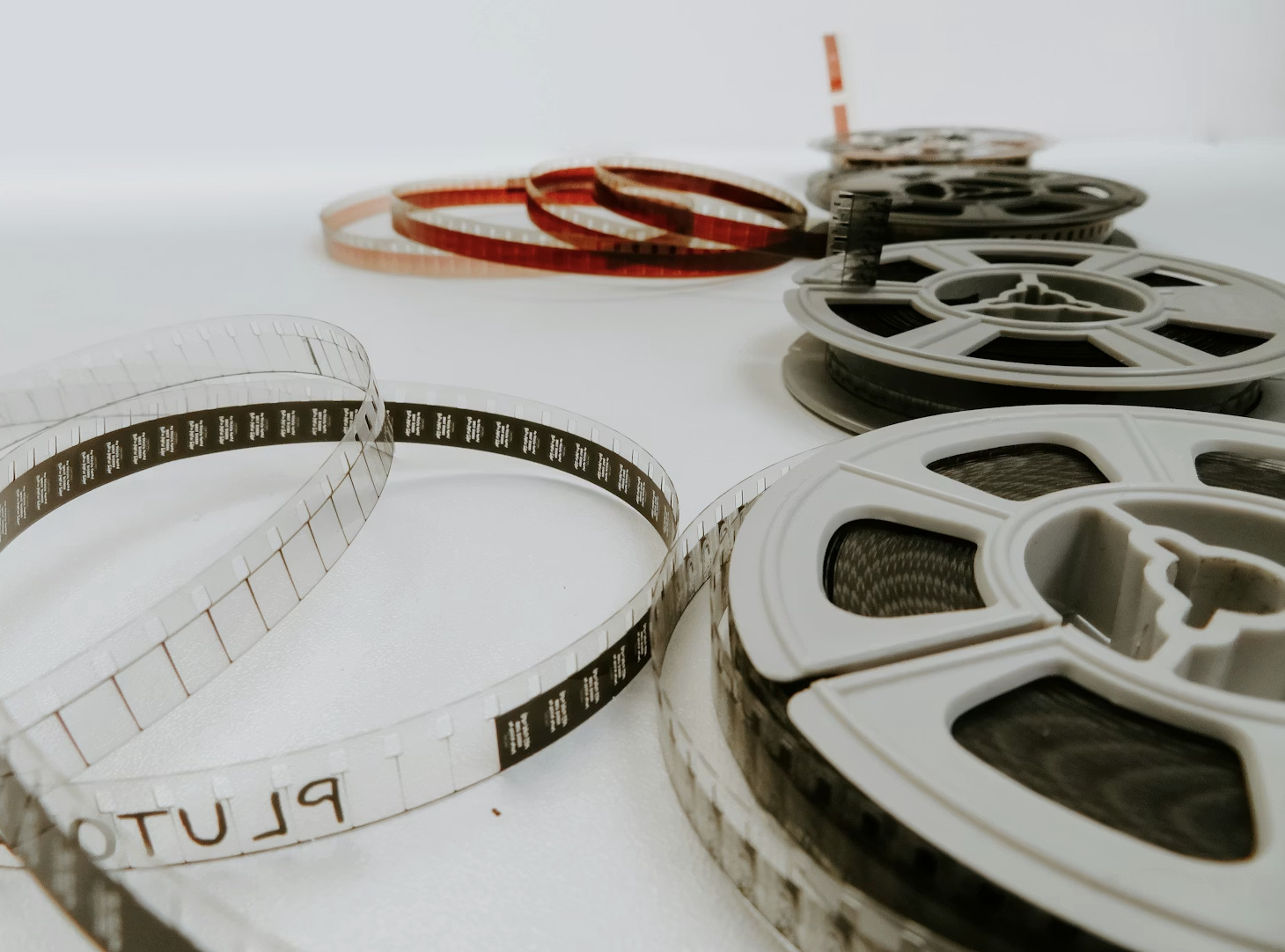
The most widely viewed short film produced within the One Pen One Page program in 2025 ran just four minutes and twenty-one seconds. It was filmed entirely on a smartphone, edited by a teenager using a free editing platform they had never previously opened, and assembled with a single piece of royalty-free music.
Despite its simplicity, the film ended up reaching a larger audience than any of the written essays produced by the same group that year. Between workshop screenings, social media sharing, and informal community showings, it quietly became the standout piece of the cycle.
The young creator behind it has since continued into formal film education, describing the experience as the moment she stopped seeing filmmaking as something distant and started understanding it as something she could actively do.
This example speaks to a broader shift in how short-form video is being used within youth storytelling programs today — not as a side activity, but as a practical and accessible entry point into narrative thinking, especially in low-budget, workshop-based environments.
Why short films work for young storytellers right now
Three forces have made short film, in 2026, an unusually productive form for young storytellers.
The first is the collapse of the equipment barrier. The phone in the pocket of every workshop participant is, in 2026, a camera that would have cost five thousand dollars in 2015. The audio it captures is acceptable. The image quality is more than acceptable. The editing software needed to assemble the footage into a finished film is free at the entry level and inexpensive at the professional level. The practical floor for serious filmmaking has, for the first time in the medium's history, dropped low enough that any young person with consistent access to a phone can make a real film.
The second is the demand environment. The streaming and short-video economy of 2026 has created an audience appetite for the four-to-eight minute narrative film at exactly the moment when the tools to make one have become accessible. Festivals, online platforms, school competitions and community screenings have multiplied. Young filmmakers have more places to show finished work than at any point in recent memory.
The third is the form's match with how young people already think. Teenagers in 2026 have grown up watching short-form narrative video. Their internal model of how a story should be structured has been shaped by the cuts, the pacing and the visual language of the form. When they sit down to make a short film, they are working in a vocabulary they have already internalised as an audience.
How our short film workshop runs
The One Pen One Page short film workshop runs in 12-week cycles, with two cycles per academic year. The first three weeks are pre-production. Participants develop a short script of between two and six pages, write a shot list, and produce a storyboard at a level of detail appropriate for the runtime.
The middle four weeks are production. Each participant directs their own film, with the cohort cross-supporting as crew. The shoots happen on weekends, often in the homes and neighbourhoods of the participants themselves, using available light, available locations and the cohort as cast where the script requires actors. The mentors, drawn from the independent film community, work alongside the participants but do not take over the directing.
The middle four weeks of editing are the part where most of the learning happens. The participants who came into the workshop thinking they wanted to be directors often discover, in the edit suite, that they want to be editors. The opposite also happens. The discipline of cutting a four-minute film teaches more about narrative than any number of writing exercises.
The final week is the public showcase. The films are screened in front of an audience that typically includes families, school administrators, working filmmakers from [CITY] and a small number of programmers from regional film festivals who have agreed to attend.
The films young people are actually making
The films vary, and the variation is itself instructive. Recent cohorts have produced documentary shorts about a grandparent's immigration story, narrative shorts about the last day of high school, experimental shorts about the routine of a single bus route, observational shorts about a community garden over a season, and one quietly affecting piece about a younger sibling teaching the filmmaker to skateboard.
The films that work best are not the films that imitate Hollywood vocabulary. They are the films that find a small subject and treat it with the level of care the subject deserves. The form rewards specificity for the same reason the personal essay does. The audience for a four-minute film is asking for one thing: show me something I have not seen before, with care.
What the form teaches that the page does not
Three things are taught more efficiently in film than in writing.
The first is structure. A four-minute film cannot waste time. The participant who learns to construct a story in four minutes carries that compression into every other form they work in afterwards. Almost every alumni essay we have seen in the workshops since film became part of the program is sharper, faster and more confident than the equivalent essays from cohorts that did not pass through the film workshop.
The second is collaboration. A film, even a small film, requires a crew. Participants learn how to work with other people in a structured creative environment, how to delegate, how to receive direction, how to disagree productively. These are durable skills that the writing workshops, by their nature, do not teach as directly.
The third is resilience. Filmmaking is the form most likely to confront the participant with material failure. The shot does not work. The audio is unusable. The location falls through. The participant learns to adapt, to re-plan, to find the version of the film that is possible rather than the version of the film they originally imagined. This is a useful lesson far beyond filmmaking.
How parents and educators can support short film work
The most useful thing an adult can do is to respect the time. A four-minute film takes between twenty and sixty hours of work to produce. That is a real time commitment, and the participant needs the household to understand it.
The second is to provide quiet space for editing. The edit is where the film comes together, and it requires sustained, uninterrupted attention. A reliable corner of a home with decent headphones is enough.
The third is to attend the showcase. The public screening at the end of the cycle is one of the most consequential moments for the young filmmaker. The presence of family members, teachers, and community members in the audience changes the meaning of the work. Be there if you can.
The short film is not a small form. It is a compressed form. The young filmmakers who are working in it are producing work that, in many cases, the industry cannot produce because the industry is not free to spend a full season on a four-minute story about a grandmother's kitchen. Our workshop is free in this way. The work that comes out of it is, increasingly, the work that makes the case for itself.