
e-Magazine
From Procreate to AI — How Young Digital Artists Are Building Their First Portfolios in 2026
By Mark Levin · May 16, 2026
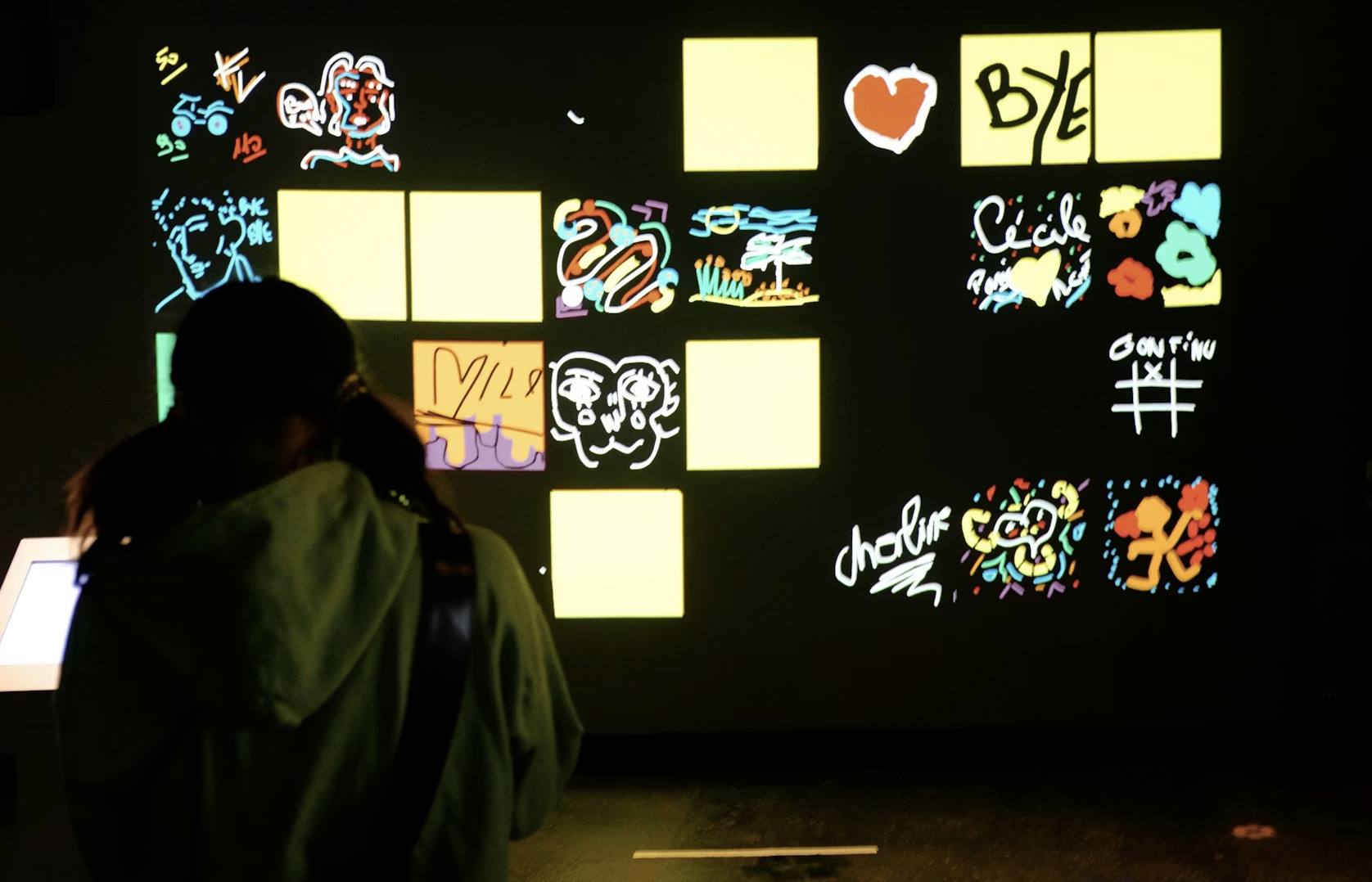
The young artists who walk into our digital art workshop at One Pen One Page, on average, think of themselves as artists. They think of themselves as people who draw on their iPads in their spare time. They have hundreds, sometimes thousands, of unfinished sketches on their devices. They have followed two or three illustrators on Instagram who feel like the level they would like to reach. They have, almost without exception, never shown their work to an adult who is willing to take it seriously.
The first session of the workshop is, in effect, a permission slip. We tell them they are artists. We ask them to bring their existing work to the next session. We start the long, slow process of helping them build a portfolio that does not yet exist.
This is the case for treating digital art as a serious extension of youth creative practice in 2026, and the practical guide to how the work gets done.
What has changed in digital art for young people since 2020
Three things have changed about the digital art landscape for teenagers since the start of the decade.
The first is the accessibility of the tools. Procreate, the iPad illustration app that dominates youth digital art, costs $13 once, with no subscription. The iPad that runs it is now genuinely capable at the entry-level pricing tier. The combination of an iPad Air and Procreate has, for most practical purposes, become the equivalent of what a sketchbook and pencil were for previous generations. The cost is real, but it is no longer the structural barrier it was.
The second is the arrival of AI image tools. Midjourney, Flux, Adobe Firefly, Stable Diffusion and the open-source ecosystem around them have rewritten what is possible. A 14-year-old in 2026 can produce images that, ten years ago, would have required a professional studio. The artistic questions this raises are real, and we will come back to them. The practical reality is that AI is already part of the toolkit young artists are using, whether the curriculum acknowledges it or not.
The third is the portfolio economy of the internet. Instagram, TikTok, ArtStation, a long list of newer platforms have created public-facing portfolio surfaces that did not exist in their current form a decade ago. A young artist in 2026 can publish their work to a global audience with no gatekeeper. This is both an opportunity and a discipline question, because the same access that produces visibility also produces pressure to publish work before it is ready.
How our digital art workshop runs
The One Pen One Page digital art workshop runs in 10-week cycles. The first three weeks are structural. Participants are asked to bring their existing work and to begin curating it. They learn the difference between a sketch, a study and a finished piece. They learn how to talk about their own work in a vocabulary that does not depend on the platforms they consume on. They learn what their actual visual interests are, which is often the first time they have asked themselves the question.
The middle four weeks are production. Each participant commits to producing three finished pieces over the four weeks, with structured feedback from a mentor who is a working artist illustration, design or fine art community. The pieces are not chosen by the mentor. The participant chooses, and the mentor's job is to help the piece become the best version of what the participant intended.
The final three weeks are about the portfolio. Participants build a clean, simple online portfolio on a platform of their choosing, write short artist statements for each piece, and prepare a five-minute presentation for the final showcase. The showcase is open to families, community members, and a small number of working artists who have agreed to come and respond to the work.
The portfolio is the durable output of the cycle. Several alumni of the workshop have used their workshop portfolios to apply to selective high school art programs, summer intensives at art colleges, and freelance illustration work. The portfolio is the thing that follows the writer out of the room.
How we talk about AI
The honest answer is that we treat AI image tools as part of the toolkit, not as the centre of it. Young artists in the workshop are allowed to use AI as a reference, as a brainstorming aid, as a way to explore composition options before committing to a final illustration. They are not allowed to submit AI-generated work as their own finished piece. The distinction matters because the discipline of producing a finished piece by hand, or by hand-on-iPad, is the discipline the workshop is trying to teach.
We also talk about the labour question openly. AI image generation has changed the freelance illustration market in ways that affect what kind of work young artists are likely to be able to sell in five years. We do not pretend this conversation is settled. We invite working illustrators to come and talk with the cohort about how they are navigating the change. We try to give the writers an honest map of the territory they are entering.
This is harder than ignoring the question. It is, we think, more useful.
What young digital artists are making
The work is varied. Recent workshop showcases have included character illustration in the style of contemporary YA cover art, abstract pieces influenced by the artist's heritage and family stories, photography-based collages that blur the line between photographic and illustrated work, animation cycles built in Procreate Dreams, and a small but growing number of comics and short graphic narratives.
The common thread is not style. It is specificity. The pieces that come out of the workshop are recognisably the work of a specific person who has thought about what they are making and why. That specificity, in a visual culture saturated with generic AI-generated imagery, is increasingly the most valuable thing a young artist can produce.
How parents and educators can support digital art work
The most useful thing an adult can do is to see the work. Ask to be shown the iPad. Sit beside the artist and let them walk you through what they made. Resist the urge to compare their work to professional illustration on Instagram, and instead ask them what they were trying to do in the piece. Most young artists do not need praise. They need attention.
The second is to respect the time. A finished digital illustration of the kind the workshop teaches takes between three and twelve hours. That is a meaningful chunk of a teenager's life. Treat the work like the work it is.
The third is to share the portfolio within the family and the community. The young artists in the program produce, once a year, a printed portfolio book. Sharing those books is one of the ways the practice becomes a real practice in the next cohort.
The young digital artists are not waiting for the world to recognise them. They are building portfolios in the spaces our workshop provides, and they are publishing work that adults outside their families take seriously. The space is small. The impact is meaningful. The portfolios will outlast the platforms they were first shown on.